St. Norbert College is participating in the national Fall of Freedom initiative through a series of exhibitions and events that explore questions of democracy, freedom, human rights, citizenship, and collective action through art and creative practice.
Student-Curated Exhibitions
At the center of the program are three exhibitions created and curated by students in the Art & Creative Democracy course. Working with collections held by St. Norbert College, students have developed exhibitions that connect historical materials and contemporary artistic practices to questions about how freedom is understood, contested, and experienced.
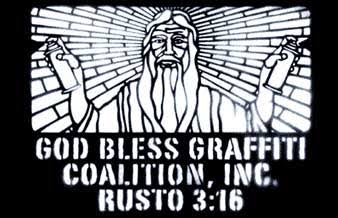
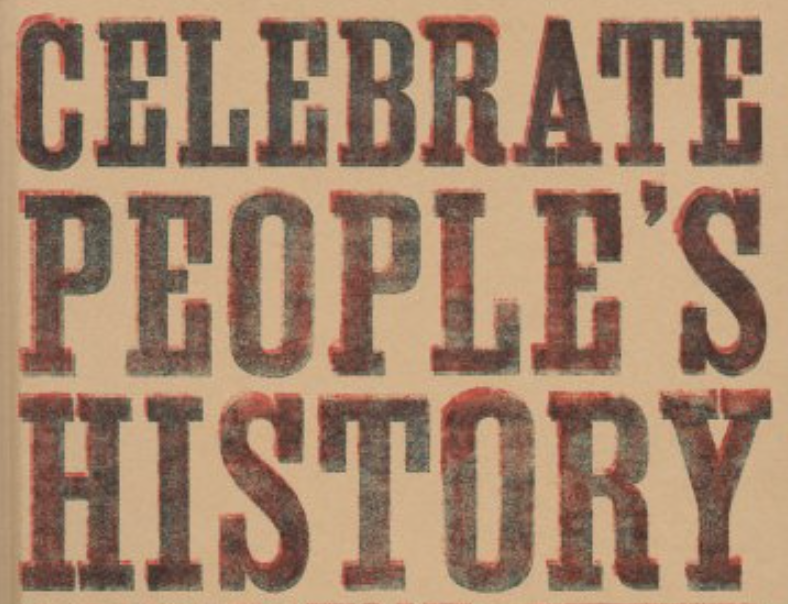
Two student-curated exhibitions draw from materials in Mulva Library Special Collections. Works from the God Bless Graffiti Coalition Box Set (2018) and the Celebrate People’s History Box Set (2015) will be presented in the display cases on the second floor of the Mulva Library, outside the Special Collections area.
The God Bless Graffiti Coalition box set brings together artists and activists using graffiti and public art as forms of political and social expression, while Celebrate People’s History features posters that highlight histories of organizing, resistance, and movements for social change. Together, these collections provide students with an opportunity to consider how artists use visual culture to document history, communicate ideas, and participate in movements for social change.
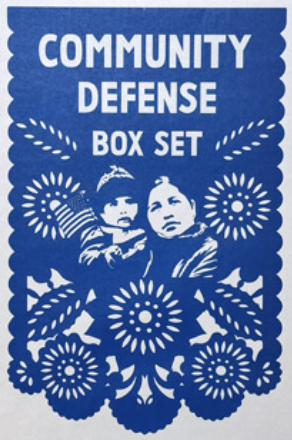
A third student-curated exhibition will be presented in the New Acquisitions Gallery on the second floor of the Bush Art Center. Drawing from the Community Defense: Voces de la Frontera / Voces de los Artistas portfolio, the exhibition considers the role of art and graphic production in responding to questions of immigration, dignity, and community defense.
These exhibitions result from an arts-based research and curatorial process in which students worked directly with institutional collections to investigate how art can function as public research, historical documentation, and civic engagement.
Fall of Freedom Handwriting the Constitution: Drop-In Session
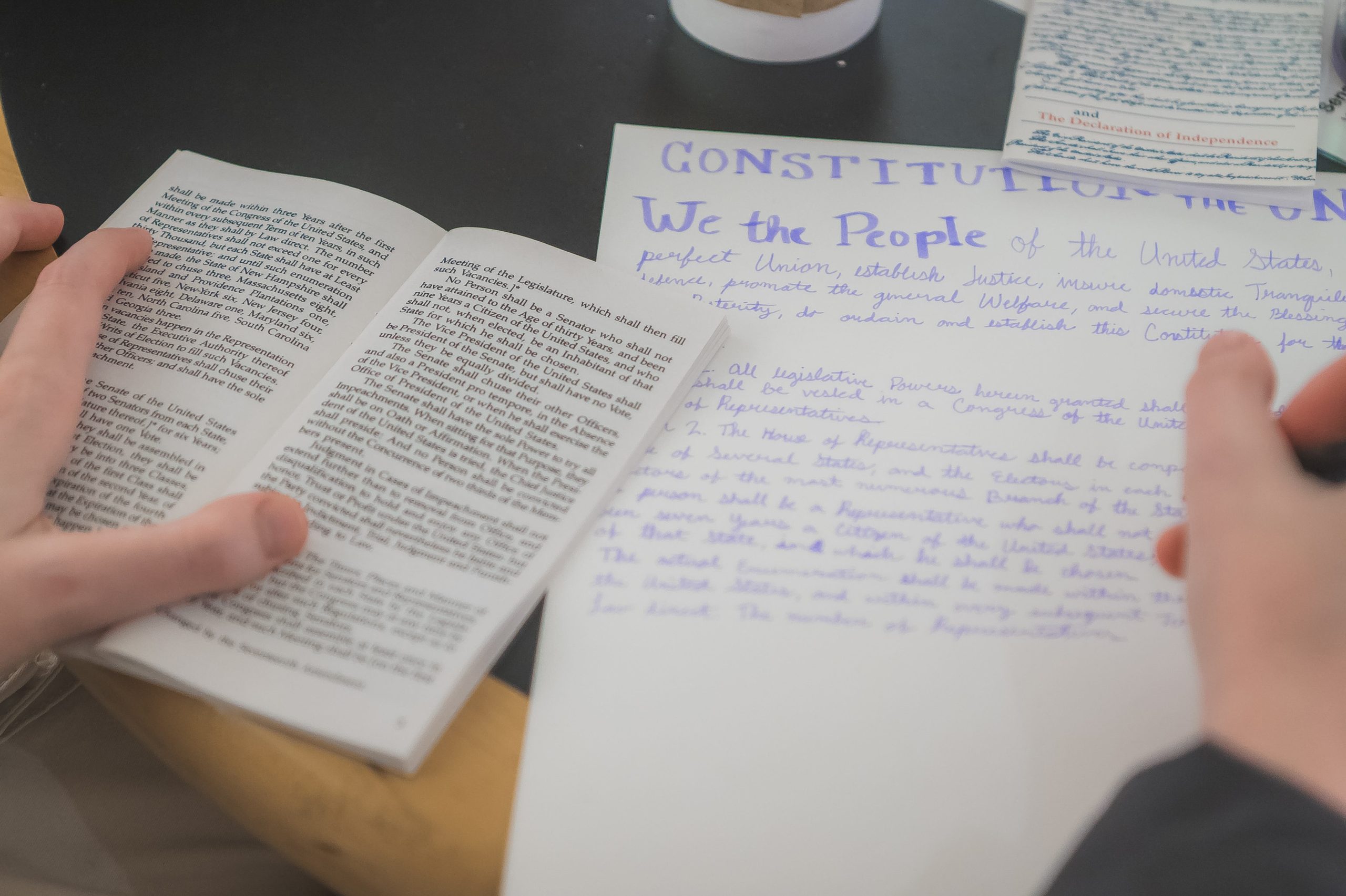
As part of Fall of Freedom, the Bush Art Center will also host a drop-in session for Morgan O’Hara’s Handwriting the Constitution from 12:00–2:00 p.m.
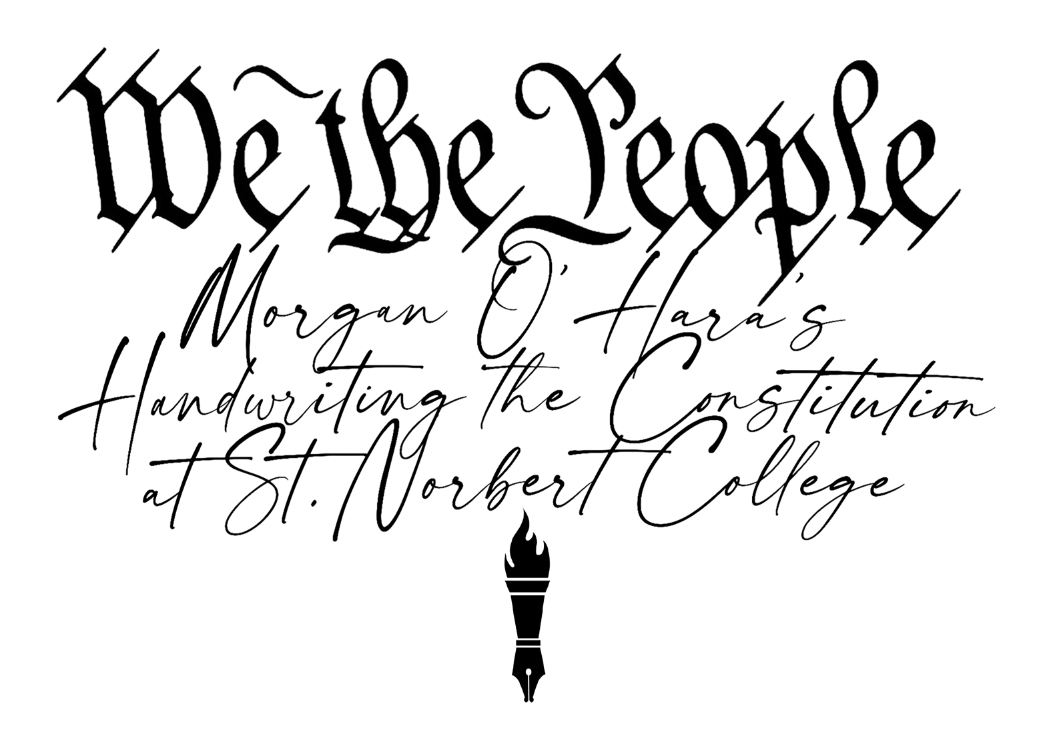
Handwriting the Constitution is a social art project that artist Morgan O’Hara began in 2017. The project invites people to gather in public spaces and handwrite the United States Constitution or other documents created to protect human rights and freedoms. Through the physical act of writing, participants are encouraged to slow down and engage directly with foundational texts, considering the rights and responsibilities they articulate. The drop-in session offers students, faculty, staff, and community members an opportunity to participate in the project as part of the broader Fall of Freedom program.
Other Exhibitions on View in the Bush Art Center
The Fall of Freedom programming takes place alongside several other exhibitions currently on view in the St. Norbert College Art Galleries, creating opportunities to explore these questions from a range of historical and artistic perspectives.
Art Against the Odds, Baer Gallery
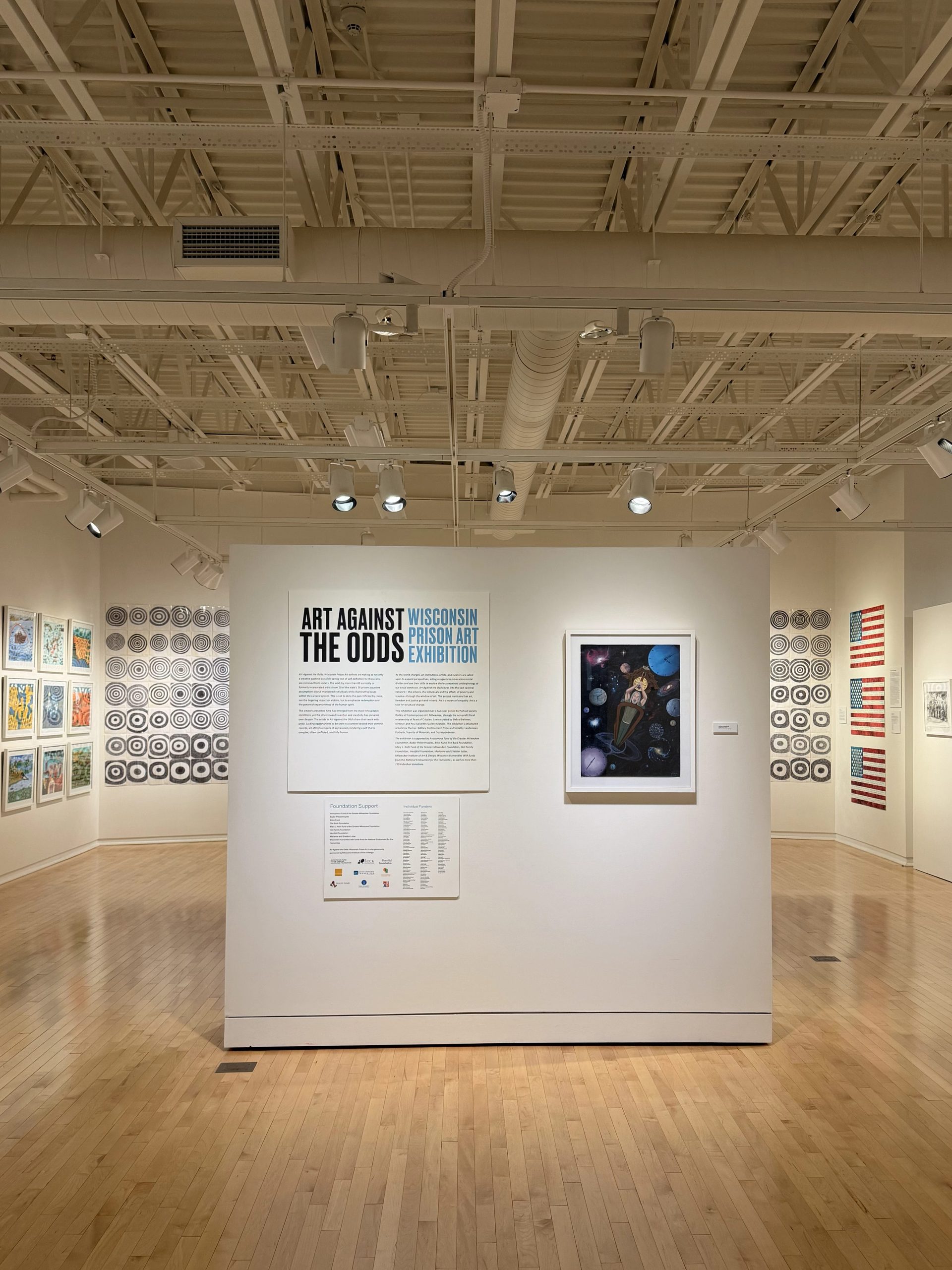
Art Against the Odds features work by artists who are currently or formerly incarcerated within Wisconsin’s justice system. The exhibition highlights the creativity, resilience, and diverse experiences of artists impacted by incarceration while inviting consideration of the intersections of art, justice, human dignity, and self-expression. The exhibition also marks the establishment of the Wisconsin Prison Art Research Collection at St. Norbert College. Generously donated by the Portrait Society Gallery in Milwaukee, the collection will serve as a permanent resource for teaching, research, and public engagement, supporting continued inquiry into art within carceral systems and the broader social, cultural, and historical contexts of incarceration in Wisconsin.
Handwriting the Constitution, Godschalx Gallery
Morgan O’Hara’s Handwriting the Constitution is a participatory social art project centered on handwriting foundational documents. The project encourages participants to engage with the Constitution through focused, contemplative writing, creating space for reflection on the rights and freedoms the text articulates.
Just, Media Space Gallery
On view in the Media Space Gallery, Joon Soo Ha’s Just transforms the iconic American flag into a site of shifting meaning and interpretation. Through repeated reproduction and alteration using digital and analog processes, including video, printing, photocopying, scanning, and re-rendering, the work explores how context shapes the ways symbols are understood.
Voices of Freedom, Permanent Collection Gallery
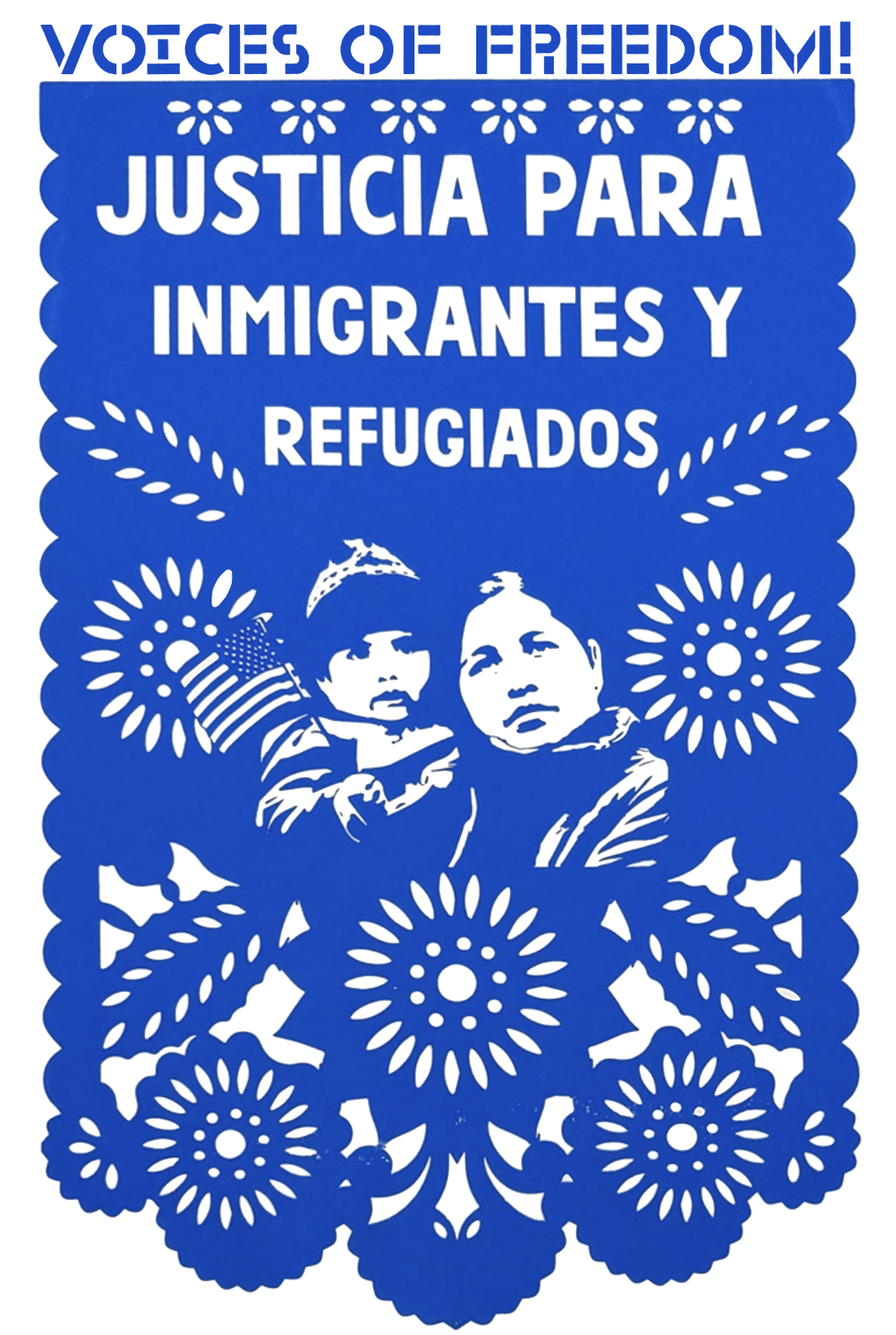
Voices of Freedom brings together works from the Carving Out Rights, Voices From Outside, and Voces de los Artistas: Community Defense portfolios. Featuring artists engaging with issues of human rights, incarceration, immigration, and community defense, the exhibition shows how printmaking and graphic art can address questions of rights, dignity, and social responsibility.
Together, these exhibitions and events offer multiple ways to consider the meaning of freedom, not as a single idea or historical condition, but as an ongoing subject of artistic inquiry, civic participation, and public conversation.
Join us for Fall of Freedom Friday, October 2nd!